


plusgame | Exploring the Engaging World of Simulation Games
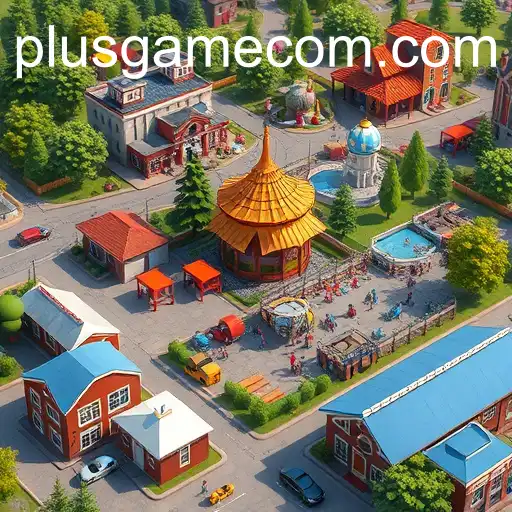
Simulation games have carved a distinct niche in the vast landscape of video gaming, inviting players into a world where they have the freedom to create, manage, and explore various scenarios realistically. Dubbed as 'plusgame' for their expansive and multifaceted gameplay, these games offer immersive experiences that range from city-building to agricultural management, and everything in between.
Originally emerging in the late 20th century, simulation games have since evolved, creating intricate worlds that mirror real life or take fantastical leaps into imagined futures. Whether you're nurturing a farm, running a bustling metropolis, or piloting an airplane, simulation games allow players to take control of diverse life situations and responsibilities.
At the heart of simulation games are their sub-genres, each tailored to different player interests. Life simulation games, for instance, are incredibly popular, with titles like 'The Sims' series allowing players to craft detailed households, manage relationships, and live out their virtual lives. Meanwhile, construction and management simulations challenge players with establishing and maintaining cities or businesses. Games like 'Cities: Skylines' and 'SimCity' offer complex tools and endless possibilities for urban planning enthusiasts.
For those with a penchant for strategy, business simulation games provide a rewarding experience. Titles such as 'RollerCoaster Tycoon' and 'Planet Coaster' require players to balance finances, customer satisfaction, and operational efficiency while growing their entertainment empires.
Flight and vehicle simulations cater to aspiring pilots and car aficionados, replicating the realism of flying or driving with intricate controls and lifelike graphics. Franchises such as 'Microsoft Flight Simulator' and 'Gran Turismo' are praised for their attention to detail and authenticity, providing both educational and entertaining experiences.
The wide appeal and resonance of simulation games are fueled by their ability to educate while entertaining. Players can learn and practice real-world skills like resource management, strategic planning, and problem-solving in a pressure-free environment. Moreover, the genre encourages creativity, allowing players to explore scenarios and outcomes limited only by their imagination.
In conclusion, simulation games offer something for everyone, a place where passion for gameplay is met with knowledge and creativity. As technology advances, so will the simulation genre, continually enhancing the depth and complexity of these 'plusgame' experiences. Those who have yet to explore this captivating genre will find a trove of engaging opportunities awaiting their imaginations.
